When you’re creating a garden plan with the goal of self-sufficiency, you should think carefully about the types of vegetable plants you choose.
As delicious as they are, you probably don’t want to go all in on vegetables like dainty radishes, for example. Tomatoes, on the other hand, are a versatile option that can be preserved whole, or as sauces, soups or bases for hearty meals like chili all fall and winter long.
When selecting your vegetables, place particular emphasis on native plants that are already well-adapted to the local climate. They’ll require less attention and resources than more exotic varieties to thrive, and also can help control garden pests naturally.
Companion planting can help you maximize your garden layout (an especially great option if you’re working with a small space). Through this practice, you’ll plant different types of vegetables that are mutually beneficial and grow well together.
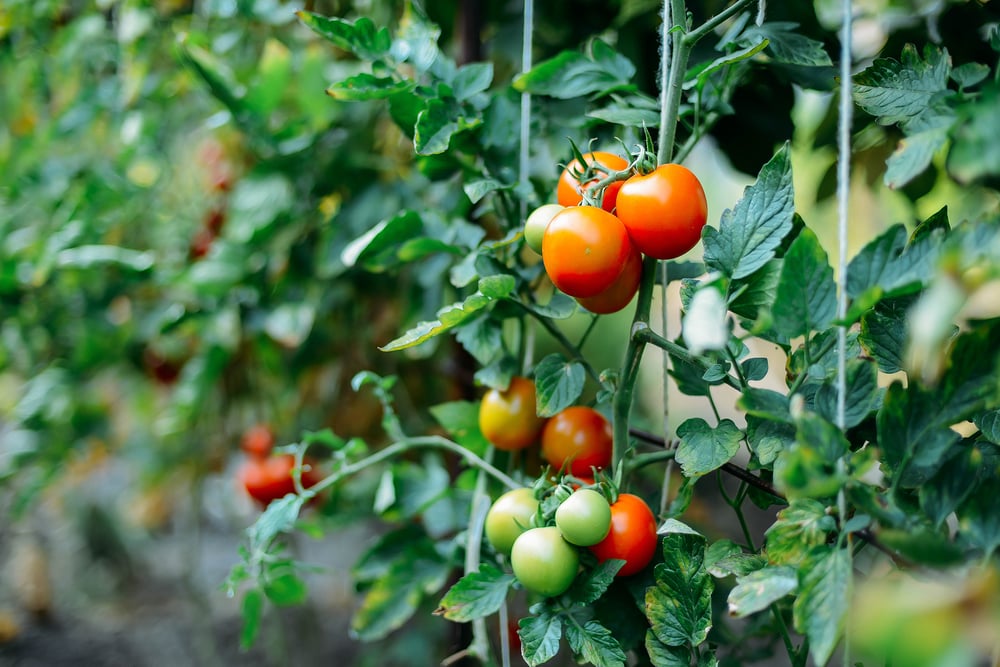
For one example of this symbiotic relationship, we can look to tomatoes and basil. The strong scent of basil may repel insects that naturally are attracted to tomato plants, while the tomatoes’ large leaves can protect the herb from strong sun and retain moisture in the soil. (When you understand companion planting, it’s no wonder why these two flavors taste so great together when you pair them in a meal!)
To increase your yield, you also can try succession planting. With this strategy, you can sow certain vegetables throughout the growing season, rather than just once at the beginning of the spring. Leafy greens, root vegetables like beets and herbs are all some of the best vegetables for succession planting.
If you’re interested in trying this, we recommend that you plant just a few rows of the chosen vegetable in your raised bed, then return a week or two later to plant a few more. This way, you’ll end up with a continuous supply throughout the spring and summer — and won’t find yourself faced with 40 heads of lettuce coming in at once in your vegetable beds.
When creating your garden plan, you also should make note of your growing zone, also called the hardiness zone, to determine which vegetables are most likely to thrive in your area. According to the U.S. Department of Agriculture, Massachusetts falls within the 5a, 5b, 6a, 6b, 7a and 7b hardiness zones.
Leave a Reply