When most people think of a fall yard cleanup, they envision transforming their yard into a spotless lawn and garden beds full of perfectly manicured grass, without a single leaf in sight. This may be a nice image for a postcard or television set, but it’s not what a yard tended to organically should look like. If you’re looking to have a yard that facilitates healthy plant and animal life, preserves the natural environment, and still looks great, consider the differences between a traditional fall cleanup and an ecological one.
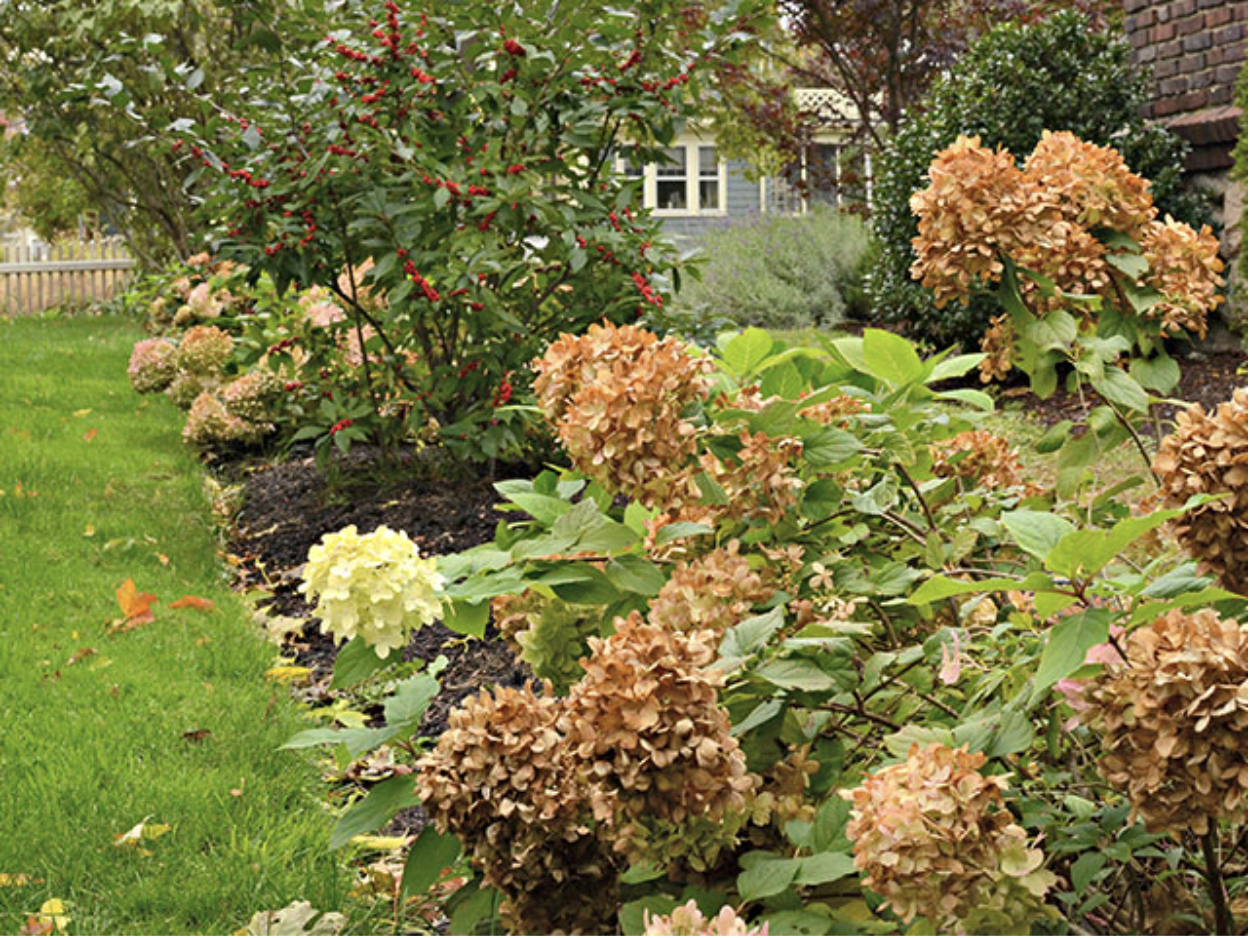
Traditional approaches to lawn care involve planning for the seasons as if they are all completely separate. While each season does require its own individual considerations, it’s best to start planning for seasons in advance.
When you follow ecological fall garden cleanup practices, you’re not only getting your garden in shape for the fall, you’re helping the soil repair and recover during the offseason so that it can support healthy, vibrant plants when the weather warms up. This acts as the foundation for your yard through the rest of the year.
Many people believe the best lawns are totally clear of any kind of leaves or organic matter, but healthy lawns actually have plenty of this type of material on them. Fallen leaves provide natural shelter for pollinators like bees, butterflies and ladybugs. They also offer valuable nutrients for soil and can protect the ground from harmful frost and harsh sunlight.
Leave a Reply